
To keep a toilet from clogging, flush only human waste and toilet paper, use a modest amount of paper per flush, and fix a weak flush before it turns into a habit. Wipes, paper towels, cotton products and kitchen scraps are the usual culprits, even when the package says flushable.
A toilet that clogs once in a while is normal. One that clogs every week is telling you something about the flush, the trap or the drain line behind it. The sections below cover the habits that help, the first things to do when a bowl starts to rise, and when to call a plumber.
What goes down and what goes in the bin
The simplest prevention is a short list. Keep a lidded wastebasket within arm's reach so the right choice is the easy one.
Safe to flush
- Human waste
- Toilet paper, in moderate amounts
- Nothing else
Goes in the wastebasket
- Wipes of any kind, including the ones labeled flushable
- Paper towels, tissues and napkins
- Cotton swabs, cotton balls and dental floss
- Feminine products and diapers
- Cat litter, hair and food scraps
Toilet paper breaks down quickly in water. Wipes, towels and cotton do not. They catch on rough spots in the pipe and gather other debris until they form a plug.
Why a toilet clogs in the first place
Knowing the cause tells you whether a habit change will help or the toilet needs attention.
Too much paper at once
A big wad can overload the trap, which is the curved passage built into the bowl. Flush in two stages for a heavy load.
A weak flush
Mineral buildup in the rim holes or a low water level in the tank leaves the bowl short of the push it needs.
Foreign objects
Toys, wipes and cotton lodge in the trap, and each flush packs them tighter.
A partial blockage downstream
If the pipe behind the toilet is narrowed, every flush clears slower than it should.
A vent problem
A blocked plumbing vent can make a drain gurgle and clear slowly, because the pipes cannot pull in air behind the water.
Habits that keep the bowl clear
Wait for the bowl to finish refilling before you flush again. Flushing a toilet that is still filling gives it less water and less force. Give the handle a full, firm push too, because a tap that lets go early can cut the flush short.
Keep paper use modest, especially with kids in the house. Teach them to use a few squares at a time and to bring wipes to the bin. A short sign on the wall or a lidded bin by the tank does more than reminders.
Run a quick weak-flush check each season. Watch the bowl as it flushes. The swirl should be strong and the bowl should empty in a few seconds. If it sputters, the tank level or the rim jets need attention.
Check the tank level
Lift the tank lid and look at the waterline. Most tanks have a mark on the back wall. If the water sits well below it, the fill valve may need adjusting, and a low tank means a weak flush.
Clean the rim holes
Small holes under the rim of the bowl feed water into the swirl. If they are crusted with mineral buildup, the flush loses power. A small mirror and a thin brush show whether the holes are open.
Older Erlanger neighborhoods and the lines behind the toilet
Erlanger's housing grew from an early 1900s core to a boom in the 1950s, 1960s and 1970s. Homes from different eras were plumbed with different drain materials, and what your house has depends on the house. If a camera is needed, a pipe inspection shows what is actually under the floor and in the yard.
SD1's published policy makes the property owner responsible for a defective or failing private sewer lateral, including any inspection needed to confirm it is clear. A toilet that clogs along with other fixtures may be a lateral issue, so an inspection through a camera run helps. Confirm current terms with SD1.
Neighbors in Elsmere and Fort Mitchell deal with the same basics. A toilet that clears with a plunger is a fixture problem, and several slow fixtures at once usually point to the line outside.
Source type: City of Erlanger history page and SD1 published Backup Assistance Program policy
If the bowl starts to rise, do this first
A rising bowl feels like an emergency, but a calm sequence usually saves the floor.
- 1
Stop flushing
Do not flush a second time. The tank holds enough water to fill the bowl, and a second flush adds more.
- 2
Lift the tank lid and close the flapper
Pushing the rubber flapper down over the flush valve stops water from leaving the tank.
- 3
Turn the stop valve clockwise
The small valve on the wall behind or beside the toilet shuts off the tank supply.
- 4
Use a flange plunger
Seat the flange in the drain opening and push and pull gently. Keep the seal tight and pump a dozen times.
- 5
Stop if it does not move
If the water level does not drop after several tries, stop. Forcing it risks a spill, and a closet auger or a plumber is the next step.
Which tool fits which clog
Reaching for the wrong tool makes a small clog bigger. Match the tool to the problem.
| Tool | Best for | Watch out for |
|---|---|---|
| Flange plunger | Paper and waste clogs in the trap | A flat cup plunger does not seal well |
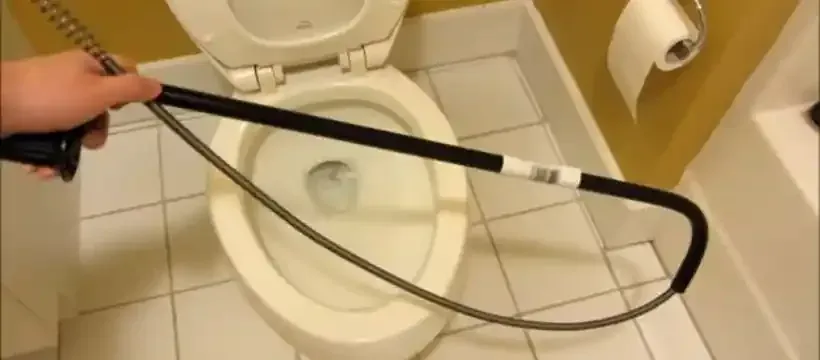
| Closet auger | A plug just past the trap | Scratching the bowl if cranked hard |
| Bucket and hot tap water | Slowly moving a soft plug | Boiling water can crack porcelain |
| Chemical drain opener | Not recommended for toilets | Burns, fumes and damaged plumbing |
| Plumber's camera or cable | Repeat clogs or objects stuck deep | Needs the toilet pulled in some cases |
Never mix chemical cleaners. Never use a chemical drain opener and then plunge, because the splashback can burn skin and eyes.
When a toilet that keeps clogging is not the toilet's fault
If only one toilet clogs and you have tried the habits above, look at that bowl. An older toilet may have a narrow trap or a weak flush design. A running tank or a loose bowl can also be part of the story, and a toilet repair visit sorts out the fill valve, flapper and seal in one trip.
If other fixtures slow down too, the toilet is not the culprit. Sinks, tubs and the floor drain gurgling at the same time point to a partial blockage in the main drain. That calls for drain cleaning with a cable or a jet, not another round of plunging.
Water around the base of the toilet is a different problem. It usually means a failed wax ring or a loose flange, and it will not stop on its own. Shut the stop valve and call.
Quick Answers on How to not clog a toilet
No. Despite the label, wipes do not break apart like toilet paper does. They snag in the trap and in the drain line and can build into a plug over time. Put them in the wastebasket.
If it fills a good part of the bowl, flush twice. A moderate amount of paper rarely causes trouble in a toilet that flushes well. A toilet that struggles with a normal amount needs attention.
A weak flush is the usual cause. Mineral buildup in the rim holes, a low tank level or a narrowed drain pipe can all cut the force of the flush. If it keeps happening, have a plumber look at the toilet and the drain.
Plumbers avoid them. The chemicals can damage the toilet and the pipes, and a half-cleared clog turns a plunging job into a hazard. Use a flange plunger or a closet auger instead.
SD1's published policy makes the property owner responsible for a defective or failing private lateral. Confirm current terms with SD1, and use a licensed plumber for any camera work.